

The vaginal microbiome.

There's more to vaginal health than we were ever taught.

Your vagina is home to its own living ecosystem of bacteria.

And while most of us have heard plenty about gut health, far fewer have been taught about the microbiome that exists within our own reproductive bodies.

Yet this remarkable ecosystem plays an important role in vaginal health, with research exploring its relationship with fertility, pregnancy and wider reproductive wellbeing.

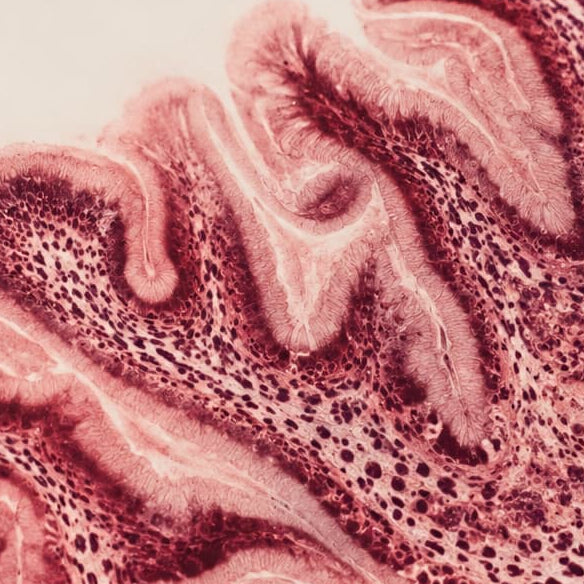
A scientific illustration showing microscopic views of pink and red tissue of vaginal micrbiome

Small bacteria. An important job.

In many healthy vaginal microbiomes, bacteria belonging to the Lactobacillus genus dominate.

These bacteria produce lactic acid, helping maintain the naturally acidic vaginal environment.

That acidity is important. It creates conditions that can make it harder for certain unwanted microorganisms to thrive.

Lactobacillus crispatus

One species in particular, Lactobacillus crispatus, has attracted considerable scientific interest because of its association with stable, Lactobacillus-dominant vaginal communities.

Balance isn't static.

Your vaginal microbiome changes throughout your life.

  1. 01

    Menstruation

    Changes in vaginal pH and microbial communities can occur around your period.

  2. 02

    Hormones

    Oestrogen influences the vaginal environment, with significant changes occurring through pregnancy, postpartum and menopause.

  3. 03

    Sex & intimacy

    Sexual activity, semen and certain intimate products can temporarily influence vaginal conditions.

  4. 04

    Antibiotics

    Antibiotics can alter microbial communities, sometimes affecting beneficial bacteria alongside the organisms they're intended to target.

Understanding these influences helps explain why vaginal health can feel different at different times in our lives.

When the balance shifts.

Sometimes changes in the vaginal microbiome are associated with bacterial vaginosis (BV), a condition involving a shift away from Lactobacillus-dominant communities towards a more diverse mix of bacteria.

For some women, vaginal discomfort, unusual discharge or odour can become a recurring frustration.

Research into vaginal microbial communities is helping scientists understand why certain imbalances can persist or return, and why different Lactobacillus species may matter.

Persistent symptoms should always be assessed by an appropriate healthcare professional.

Beyond the vagina.

The science of reproductive health.

The vaginal microbiome isn't simply about everyday comfort.

Scientists are investigating its relationship with several areas of reproductive biology.

  1. 01

    Fertility

    Researchers are studying associations between vaginal microbial communities and reproductive outcomes, including assisted conception.

  2. 02

    Pregnancy

    Studies have identified relationships between vaginal microbiome composition and pregnancy outcomes, including preterm birth.

  3. 03

    Immune health

    Vaginal bacteria interact with the mucosal immune environment, influencing local inflammatory and protective processes.

  4. 04

    The gut–vagina connection

    Growing research is exploring how the gut and vaginal microbiomes may be connected through bacterial movement, hormones and immune signalling.

A much bigger picture of female biology is beginning to emerge.

The research.

What does the science say?

Explore peer-reviewed research into vaginal microbial communities, Lactobacillus species and their relationship with reproductive health.

01 · Review · npj Biofilms and Microbiomes

The vaginal microbiome in pregnancy and preterm birth (2026)

How Lactobacillus dominance, vaginal immune responses and microbial diversity relate to pregnancy outcomes, and where future therapies may lie.

Read the publication ↗

02 · Systematic review & meta-analysis · Scientific Reports

The vaginal microbiome and the risk of preterm birth (2022)

Across 17 studies, low-Lactobacillus vaginal communities were linked to a higher risk of preterm birth than L. crispatus-dominant communities.

Read the publication ↗

03 · Review · Seminars in Immunopathology

The pregnancy microbiome and preterm birth (2020)

How vaginal microbial composition and the immune response interact during pregnancy, and what that may mean for preterm birth.

Read the publication ↗

04 · Review · Frontiers in Immunology

Female reproductive tract–organ axes (2023)

How the reproductive tract communicates with the gut, bladder, immune system and other body systems.

Read the publication ↗